Focus on the export trade of Eastern lifestyle aesthetic products
jennyliang@shnewwave.com

From Novice to Expert: Discover the Ultimate Tea Appreciation Set for Every Enthusiast
Jun 26,2026
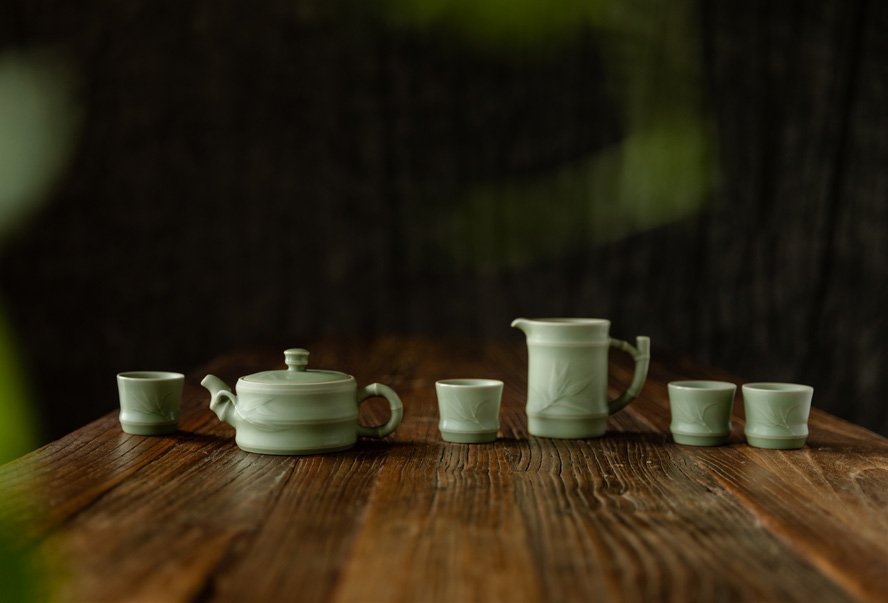
From Novice to Expert: The Newest Tea Appreciation Set for All Levels
Introduction to Tea Appreciation
In a world where beverages reign supreme, tea stands out as one of the oldest and most revered drinks. From the fragrant leaves to the intricate brewing techniques, appreciating tea is akin to an art form. Our **Newest Tea Appreciation Set** caters to both novices and seasoned tea drinkers, providing the essential tools and knowledge needed to elevate your tea experience.
Understanding the Basics of Tea
Before diving into the intricacies of tea appreciation, it’s essential to grasp the fundamentals. Tea is divided into several categories, with each offering distinct flavors and aromas. The primary types of tea include:
1. Green Tea
Green tea is known for its fresh, grassy flavor and numerous health benefits. It is minimally processed, preserving the natural antioxidants.
2. Black Tea
Rich and robust, black tea undergoes full oxidation, resulting in its darker color and stronger flavor profile.
3. Oolong Tea
Oolong tea is partially oxidized, offering a unique balance between green and black teas. Its complexity makes it a favorite among enthusiasts.
4. White Tea
Delicate and subtly sweet, white tea is made from young tea leaves and buds, providing a light flavor ideal for gentle sipping.
5. Herbal Tea
While technically not tea in the traditional sense, herbal teas are infusions made from a variety of plants, offering diverse flavors without caffeine.
The Importance of Quality Tea Leaves
Quality is paramount when it comes to tea. We recommend seeking out high-grade loose-leaf tea rather than tea bags. Loose-leaf tea allows for better water circulation, enhancing flavor extraction. When selecting tea, consider the following factors:
1. Origin
The region where the tea is grown significantly influences its flavor profile. For instance, Darjeeling tea from India is known for its fruity notes, while Matcha from Japan boasts a rich umami flavor.
2. Harvesting Season
Tea leaves are harvested at different times of the year, with spring-picked leaves often considered the best due to their freshness and flavor.
3. Processing Methods
Understanding how tea is processed—from withering to oxidation—can help you appreciate the complexity of flavors and aromas in your cup.
Introducing the Newest Tea Appreciation Set
Our **Newest Tea Appreciation Set** is designed not just for functionality but also for enhancing your overall tea experience. It includes:
1. Premium Loose Leaf Teas
The set features an assortment of high-quality loose-leaf teas, including green, black, oolong, and herbal varieties. This diverse selection allows tea drinkers to experiment with different flavors and brewing techniques.
2. Elegant Teapot and Infuser
Included in the set is an elegantly designed teapot with a built-in infuser, enabling you to brew your favorite teas effortlessly. The infuser ensures that the leaves have ample space to expand and release their flavors, providing a richer taste.
3. Tea Tasting Guide
To elevate your tea experience, the set comes with a comprehensive tea tasting guide. This guide offers detailed descriptions of each tea included in the set, along with brewing tips and tasting notes.
4. Accessory Kit
The accessory kit includes a tea scoop, a timer, and a storage tin, ensuring you have everything you need for an optimal brewing experience.
Brewing Techniques for the Perfect Cup of Tea
Brewing tea is an art that requires precision and care. Here’s how to brew the perfect cup:
1. Water Quality Matters
The quality of water used in brewing significantly impacts the taste of your tea. It’s best to use filtered or spring water to avoid any off-flavors from tap water.
2. Temperature Control
Each type of tea requires a specific brewing temperature. For instance, green tea is best brewed at around 175°F (80°C), while black tea requires boiling water at 212°F (100°C).
3. Steeping Time
Over-steeping can lead to bitterness. Follow the recommendations in the tea tasting guide for optimal steeping times—generally, 2-3 minutes for green tea and 3-5 minutes for black tea.
4. Personal Preferences
Feel free to experiment! Adjusting water temperature, steeping time, and tea quantity will help you find your perfect brew.
Enhancing Your Tea Experience with Pairings
Tea appreciation isn't solely about the drink; it's also about what you pair it with. Here are some delightful pairings to enhance your tea experience:
1. Sweet Treats
Pairing tea with pastries, cookies, or chocolates can elevate flavors. For instance, enjoy Earl Grey with dark chocolate or jasmine tea with light, floral pastries.
2. Savory Snacks
Consider pairing green tea with sushi or smoked salmon. The freshness of the tea complements the subtle flavors of the dishes.
3. Cheese and Tea
The combination of cheese and tea is a unique experience. Oolong tea pairs well with creamy cheeses, while sharp cheeses can be complemented by robust black tea.
Exploring the Cultural Significance of Tea
Tea has a rich cultural heritage across the globe. Here are a few notable traditions:
1. Chinese Tea Ceremony
The Chinese tea ceremony emphasizes respect and mindfulness, showcasing the beauty of the tea leaf. Each step is carefully orchestrated, highlighting the tea's characteristics.
2. Japanese Tea Ceremony
Known as "Chanoyu," this ceremony embodies harmony, respect, purity, and tranquility. The meticulous preparation and presentation foster a deep appreciation for the ritual of tea.
3. British Afternoon Tea
This tradition involves serving light refreshments with tea, typically around 4 PM. It offers a social experience, often featuring scones, sandwiches, and pastries.
Frequently Asked Questions (FAQs)
1. What are the health benefits of drinking tea?
Tea is rich in antioxidants and can promote heart health, boost metabolism, and enhance mental clarity, depending on the type consumed.
2. How do I store loose-leaf tea for maximum freshness?
Keep your loose-leaf tea in an airtight container, away from light, heat, and moisture to preserve its flavor and aroma.
3. Can tea help with digestion?
Yes, herbal teas like peppermint and ginger are known for their digestive properties and can soothe an upset stomach.
4. How do I choose the right tea for my taste?
Start by exploring different types of tea. Note the flavor profiles you enjoy, whether they are floral, fruity, or earthy, and gradually refine your selection based on your preferences.
5. Is it okay to drink tea every day?
Absolutely! Moderation is key, and drinking tea daily can offer numerous health benefits. Just be mindful of the caffeine content in certain teas.
Conclusion
Embarking on a journey of tea appreciation opens up a world rich in flavors, traditions, and experiences. Our **Newest Tea Appreciation Set** is the perfect companion for both novice and experienced tea drinkers, providing the tools and knowledge needed to cultivate a deeper appreciation for this ancient beverage. By understanding the basics, honing your brewing techniques, and exploring cultural traditions, you can transform your tea drinking from a simple habit into a cherished ritual. Embrace the art of tea appreciation today, and elevate your experience from novice to expert!
PREVIOUS:

Contact Us
E-mail :
jennyliang@shnewwave.com
Mobile:
+86-13601687176
WhatsApp:
8613601687176
Address:
Room 1403, No. 7, Lane 1112, Changshou Road, Shanghai, China



Request Quote