Focus on the export trade of Eastern lifestyle aesthetic products
jennyliang@shnewwave.com

The Intersection of Art and Function in Celadon Vase Supply: Exploring Aesthetic Elegance and Practicality
Mar 08,2026
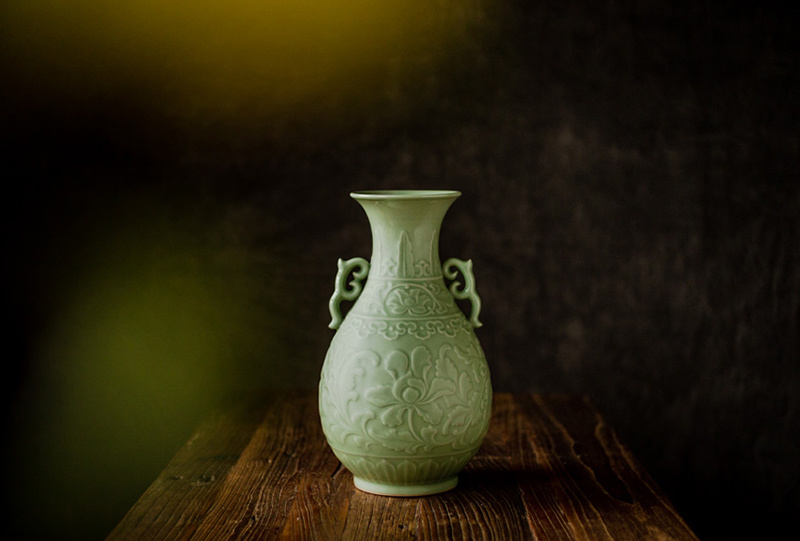
The Intersection of Art and Function in Celadon Vase Supply
Table of Contents
- 1. Introduction to Celadon Vases
- 2. Historical Significance of Celadon
- 3. Artistic Characteristics of Celadon Vases
- 4. Functionality of Celadon Vases
- 5. Craftsmanship and Techniques in Celadon Production
- 6. Celadon in Modern Interiors
- 7. Sustainable Practices in Celadon Production
- 8. FAQs About Celadon Vases
- 9. Conclusion
1. Introduction to Celadon Vases
Celadon vases are among the most revered items in the world of ceramics. Renowned for their **subtle glaze and unique color**, these vases are not just mere containers; they embody a blend of **aesthetic elegance and practical functionality**. The **intricate designs** and **cultural significance** associated with celadon vases make them a topic of fascination for collectors, artists, and interior decorators alike.
This article explores the rich history, artistic nuances, and practical applications of celadon vases, showcasing how these timeless objects continue to influence modern decor while retaining their historical roots.
2. Historical Significance of Celadon
The origins of celadon can be traced back to ancient China, particularly during the **Song Dynasty** (960-1279). The term "celadon" itself refers to a type of **ceramic glaze** that produces a soft, greenish hue reminiscent of jade. This glaze was initially developed in response to the **cultural preference for natural, earthy tones** in art and pottery.
Throughout the centuries, celadon vases were highly prized not only in China but also across Asia, influencing pottery styles in countries such as Korea and Japan. They were often associated with **wealth and status**, serving as exquisite gifts for royalty and dignitaries. The artistry involved in their creation speaks to the **technological advancements** of the time, showcasing the skill and craftsmanship that went into producing these artistic masterpieces.
3. Artistic Characteristics of Celadon Vases
Celadon vases are known for their distinctive **glaze and design features**, which set them apart from other ceramic works. The following characteristics highlight the artistic nature of celadon:
3.1 Subtle Color Variations
The most striking feature of celadon vases is their range of colors, primarily green but also encompassing shades of blue, gray, and even brown. These colors result from the **iron content** in the clay and the firing techniques used during production. The variations in color often evoke a sense of nature, aligning with the **philosophy of harmony** in traditional Asian art.
3.2 Intricate Designs and Patterns
Artisans often embellish celadon vases with intricate carvings and patterns, inspired by nature, mythology, and daily life. **Floral motifs**, **geometric designs**, and **scenes of nature** are common themes found on these vases, providing insight into the **cultural narratives** and aesthetic values of their time.
3.3 Textural Elements
The texture of celadon vases can vary from smooth to slightly rough, depending on the finishing techniques employed. The tactile quality of the surface enhances the **visual experience**, inviting viewers to engage with the piece on multiple levels.
4. Functionality of Celadon Vases
While celadon vases are undoubtedly beautiful, their functionality cannot be overlooked. These vases serve various purposes, making them valuable in both traditional and contemporary contexts.
4.1 Practical Uses
Historically, celadon vases were used for holding **flowers**, **storing liquids**, or as **decorative elements** in homes and temples. Today, they retain their practical uses in modern interiors, often serving as stunning centerpieces that elevate the aesthetic of any space.
4.2 Symbolic Significance
In many cultures, vases symbolize **prosperity and fertility**. Giving a celadon vase as a gift is considered auspicious, reflecting the sender's wishes for abundance and happiness in the recipient's life.
5. Craftsmanship and Techniques in Celadon Production
The creation of celadon vases involves a meticulous process that requires a deep understanding of materials, techniques, and aesthetics. The following outlines key elements of celadon craftsmanship:
5.1 Material Selection
Celadon vases are typically made from high-quality clay that is rich in iron. The choice of clay significantly influences the final color and texture of the glaze. Artisans often conduct extensive tests to ensure the clay meets their standards before commencing production.
5.2 Glazing Techniques
The application of glaze on celadon vases is an art in itself. Skilled craftsmen carefully apply the glaze, ensuring even coverage to achieve the desired color. Firing in a **reducing atmosphere** is crucial, as it allows the iron in the clay to oxidize correctly, resulting in the characteristic celadon hue.
5.3 Firing Process
The firing of celadon vases typically occurs in **kilns** that can reach high temperatures. The duration and conditions of the firing process can influence the outcome of the color and texture of the glaze, making it a vital step in celadon production.
6. Celadon in Modern Interiors
In contemporary design, celadon vases are celebrated for their ability to complement various decor styles. Their versatility allows them to fit seamlessly into different settings, whether traditional or modern.
6.1 Integrating Celadon Vases into Decor
Celadon vases can serve as **focal points** in a room, drawing attention with their elegance. They can be placed on mantels, dining tables, or as centerpieces on coffee tables, adding a touch of sophistication to any aesthetic.
6.2 Color Coordination
The soft hues of celadon make them easy to coordinate with a range of colors and materials. Whether placed against a backdrop of neutral tones or vibrant palettes, celadon vases enhance the overall look without overpowering other design elements.
7. Sustainable Practices in Celadon Production
As environmental awareness grows, many celadon artisans are adopting sustainable practices to minimize their ecological footprint. The following outlines key sustainable techniques:
7.1 Locally Sourced Materials
Many artisans prioritize the use of locally sourced materials, which reduces transportation emissions and supports local economies. Utilizing regional clay not only enhances the quality of the product but also fosters a deeper connection to the local landscape.
7.2 Eco-Friendly Production Methods
Innovations in firing techniques, such as using renewable energy sources or improving kiln efficiency, contribute to reducing energy consumption. Many artisans now aim to implement practices that decrease waste and promote a more sustainable production cycle.
7.3 Recycling and Repurposing
Artisans are increasingly exploring ways to recycle materials and repurpose waste products from the celadon production process. This not only helps in conserving resources but also inspires creativity, leading to unique, one-of-a-kind pieces.
8. FAQs About Celadon Vases
8.1 What is a celadon vase?
A celadon vase is a ceramic vase characterized by its **glaze** that produces a soft green or blue hue. These vases often feature intricate designs and serve both decorative and functional purposes.
8.2 How are celadon vases made?
Celadon vases are made from high-quality clay, which is shaped, glazed, and fired in a kiln. The firing process must occur in a reducing atmosphere to achieve the desired color and texture.
8.3 Can celadon vases be used for flowers?
Yes, celadon vases can be used for holding flowers. Their design and glaze make them suitable for both fresh and dried arrangements.
8.4 Are celadon vases considered valuable?
Yes, celadon vases are often considered valuable due to their historical significance, artistic craftsmanship, and the materials used in their production. Antique celadon vases can fetch high prices in the market.
8.5 How do I care for a celadon vase?
To care for a celadon vase, clean it gently with a soft cloth and mild soap. Avoid using harsh chemicals or abrasive materials that could damage the glaze.
9. Conclusion
Celadon vases exemplify the beautiful intersection of art and function, transcending time and culture. With their rich history, exquisite craftsmanship, and versatile functionality, these vases continue to captivate and inspire. As we appreciate the artistry behind each piece, we also acknowledge their practical role in enhancing our living spaces.
By embracing sustainable practices and integrating celadon into modern decor, we ensure that this timeless tradition endures for generations to come. The beauty and significance of celadon vases remind us that art and utility can coexist harmoniously, enriching our lives in profound ways.
PREVIOUS:

Contact Us
E-mail :
jennyliang@shnewwave.com
Mobile:
+86-13601687176
WhatsApp:
8613601687176
Address:
Room 1403, No. 7, Lane 1112, Changshou Road, Shanghai, China



Request Quote
E-mail:jennyliang@shnewwave.com:
Phone:+86-13601687176:
WhatsApp:8613601687176:
在线客服添加返回顶部
启用全局默认滚动动画 (向上滚动)
右侧在线客服样式 1,2,3 1
图片alt标题设置: Shanghai New Wave Import and Export Trading Co., Ltd.
表单验证提示文本: Content cannot be empty!
循环体没有内容时: Sorry,no matching items were found.
CSS / JS 文件放置地